Aln Valley Railway
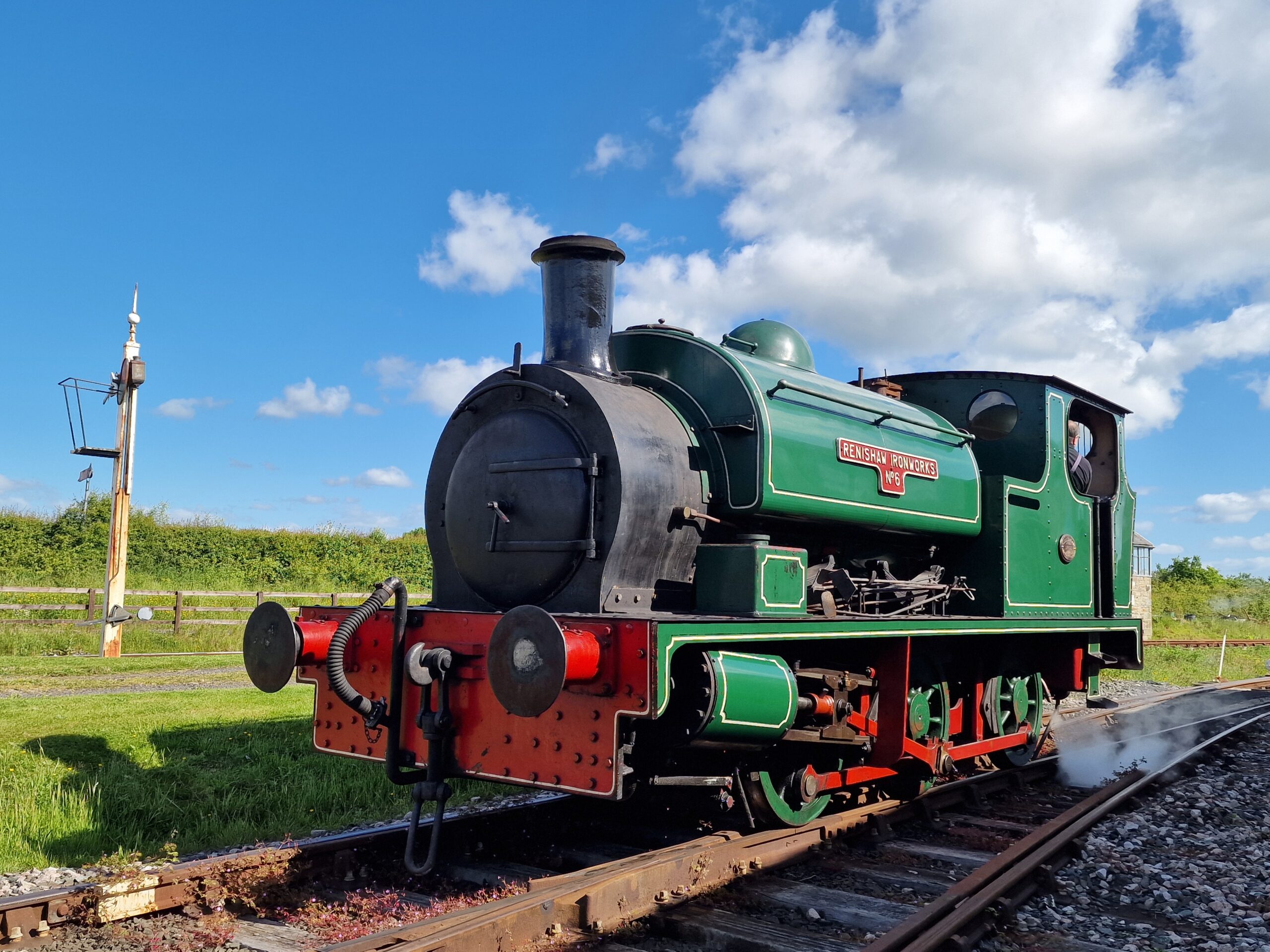
Hudswell Clarke 0-6-0ST, Works No. 1366 ‘Renishaw’
Thus locomotive was built in 1919 by Hudswell Clarke for the Appleby Iron Co Ltd at Scunthorpe. It has 15″ x 22″ outside cylinders, 3ft 4″ wheels and weighs 27 ton 10 cwt.
The locomotive was rebuilt in 1948 by the Yorkshire Engine Co Ltd, Sheffield. In February 1952 it was sold to the The Renishaw Iron Co Ltd at Renishaw Ironworks in Derbyshire where it was named Renishaw Ironworks No 6. In 1961 the locomotive moved to the Byfield Ironstone Co Ltd, to work at their Midland Ironstone mines at Crosby, near Scunthorpe.
It was purchased for preservation in 1969 and returned to steam at the Lakeside and Haverthwaite Railway,. By 2004 it was at Tanfield, being in regular use until 2012 when its 10 year boiler ticket expired. After overhaul, it was privately purchased and moved to the Aln Valley Railway.
Hudswell Clarke 0-6-0T Works No. 1243 ‘Richboro’
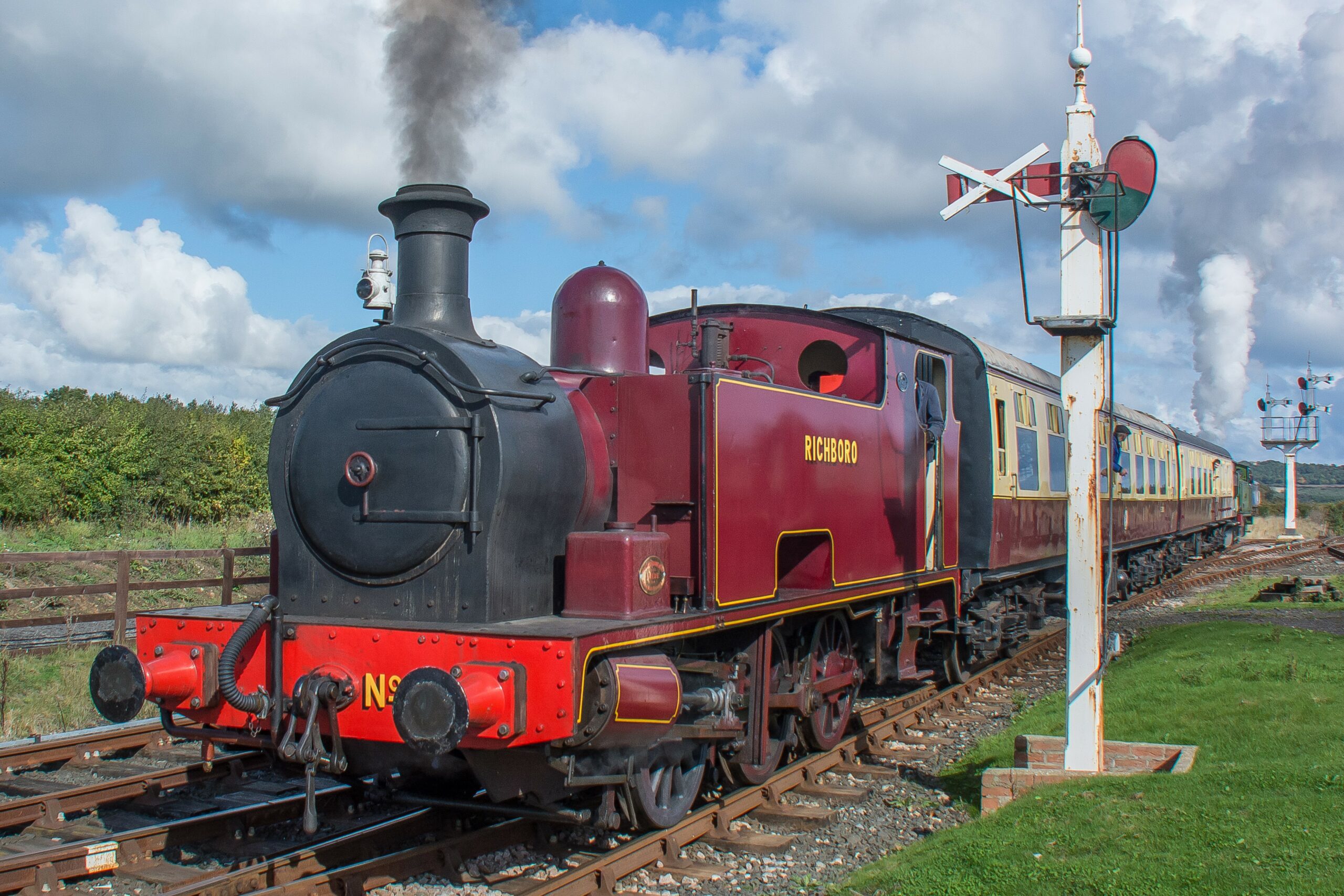
The Aln Valley’s own locomotive, 0-6-0T Works No. 1243, Richboro, was built in 1917 by Hudswell, Clarke and Company at their Leeds works as one of their standard types. It was ordered by the Port of London Authority but delivered to the Director of Inland Waterways and Docks at Richborough in Kent (as IWD NO. 9) for shunting at this World War 1 military port.
By 1926, the locomotive was sold to Messrs. W. Craig and Sons and worked at their Ifton Colliery in Shropshire. In January 1947 the collieries were nationalised and Richboro passed into National Coal Board ownership. It worked later at the NCB’s Gresford Colliery near Wrexham in North Wales. By 1969 it was placed in store at Gresford ready for disposal and was then bought by the Llangollen Railway. It spent some time plinthed outside the DAPOL model railway factory at Llangollen.
It was purchased privately and fully restored. After a brief loan period at the Bo’Ness and Kinneil Railway it was moved on loan to Lionheart in December 2012 and was our first operational steam loco. A successful appeal was launched to purchase the locomotive and it is now the property of the AVR.
Hunslet Austerity 0-6-0ST NCB No. 60
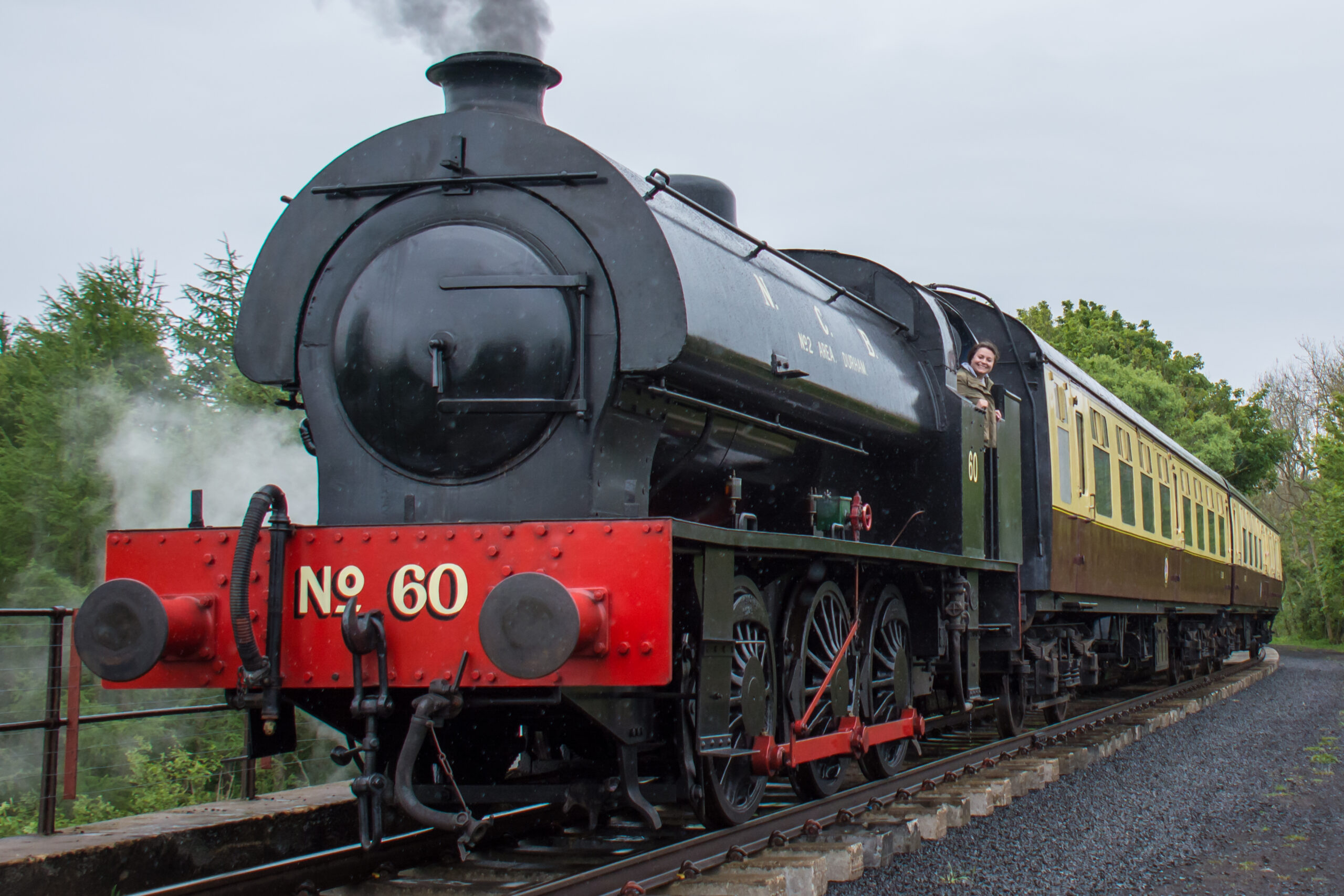
Built by the Hunslet Engine Co Ltd of Leeds, No 60 was delivered new on 18th January 1949 to the National Coal Board and put to work on the Lambton Railway, Philadelphia, County Durham. This 0-6-0ST locomotive is one of many built to this design during and after the Second World War. The model became known as the Austerity and was cheap to build and maintain as well as being powerful and reliable. The cab on this locomotive was modified to allow the locomotive to work through narrow tunnels to staithes on the River Wear in Sunderland. This may be the only surviving engine with this modification.
From 1962 the locomotive moved around different colliery locations within the Durham coalfield area, finally moving to Dawdon Colliery in 1965, where it remained until the end of its life with the Coal Board. In June 1976 it was sold to Stephen Wood and moved to the Strathspey Railway at Aviemore in the Highlands of Scotland in July of that year, where it was returned to steam at the beginning of 1980. During its time on the Strathspey Railway it accumulated more than 70,000 miles, some of that hauling 9 coach trains.
When its 10 year boiler ticket expired the locomotive lay idle for many years before being moved to Ian Storey’s workshop at Hepscott, near Morpeth. There, the heavy overhaul and boiler repairs were completed. It arrived on long term loan to the AVR in 2018 and regularly operates on our steam services. Sister engine, No 48, is also at the AVR having been generously donated by the owner. It awaits a full overhaul and restoration.
BR Class 11, 0-6-0 Diesel Electric Shunter No. 12088 ‘Shirley’
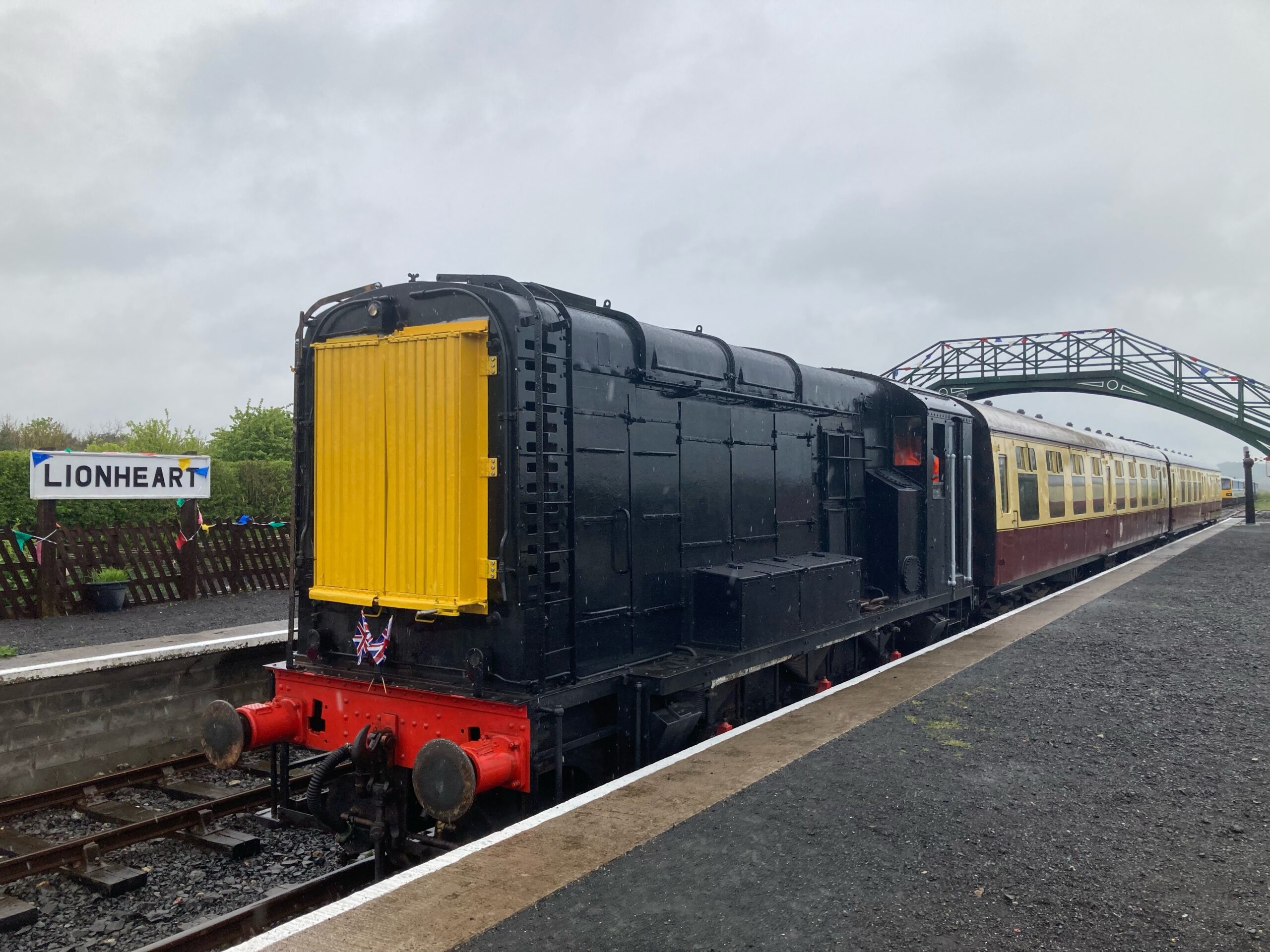
12088 was built at Derby Works in 1951. It worked for British Railways at Aston (Birmingham) then later at Rugby, Bletchley, Springs Branch (Wigan) and Allerton from where it was taken out of service in May 1971. After a period of storage it transferred to the ownership of Johnsons (Chopwell) Ltd and used at the National Coal Board Opencast Executive site at Swalwell. By July 1989 it was with the South Yorkshire Preservation Society at Sheffield before returning to Johnsons for work at Widdrington Coal Disposal Point in Northumberland. After transfer to Butterwell Disposal Point it moved to Lionheart in December 2012.
Locomotive 12088 (named ‘Shirley’ after the wife of the late AVR member Gordon Hall, who purchased it for the railway) was a member of what became known by British Rail as Class 11. It was one of a batch of such locomotives built from 1945 to 1952 based on an earlier diesel design of the London Midland and Scottish Railway.
Nine have survived into the ‘preservation era’, including 12088 at Lionheart; not all are in working order. Shirley has recently completed an extensive overhaul and restoration and the installation of vacuum brakes allowing it to haul passenger trains.
Andrew Barclay, 0-6-0 Diesel Hydraulic No. 615
This locomotive was the first working locomotive to arrive at the Aln Valley Railway’s Lionheart site in June 2012. It was built by Andrew Barclay and Sons at Kilmarnock in 1977 and allocated the works number of 603. It has a Rolls Royce 400 horse power engine and hydraulic transmission.
It was purchased new by the National Coal Board and worked at Bates Pit in Blyth, Northumberland. It then worked at Hetton Colliery and underwent trials at Lambton Colliery before being transferred to Whittle Colliery south of Alnwick. While there, it was driven by one of the AVR’s volunteers, Kenny Middlemist. In March 1987 it moved to the Ellington and Lynemouth colliery network then passed into the ownership of RJB Mining where it worked at Gascoigne Wood Colliery next to the Leeds to Hull railway. After being purchased for preservation it spent some time at the Tanfield Railway before joining Ribble Rail in Lancashire where it hauled bitumen trains. It is privately owned and on long term loan to the railway.
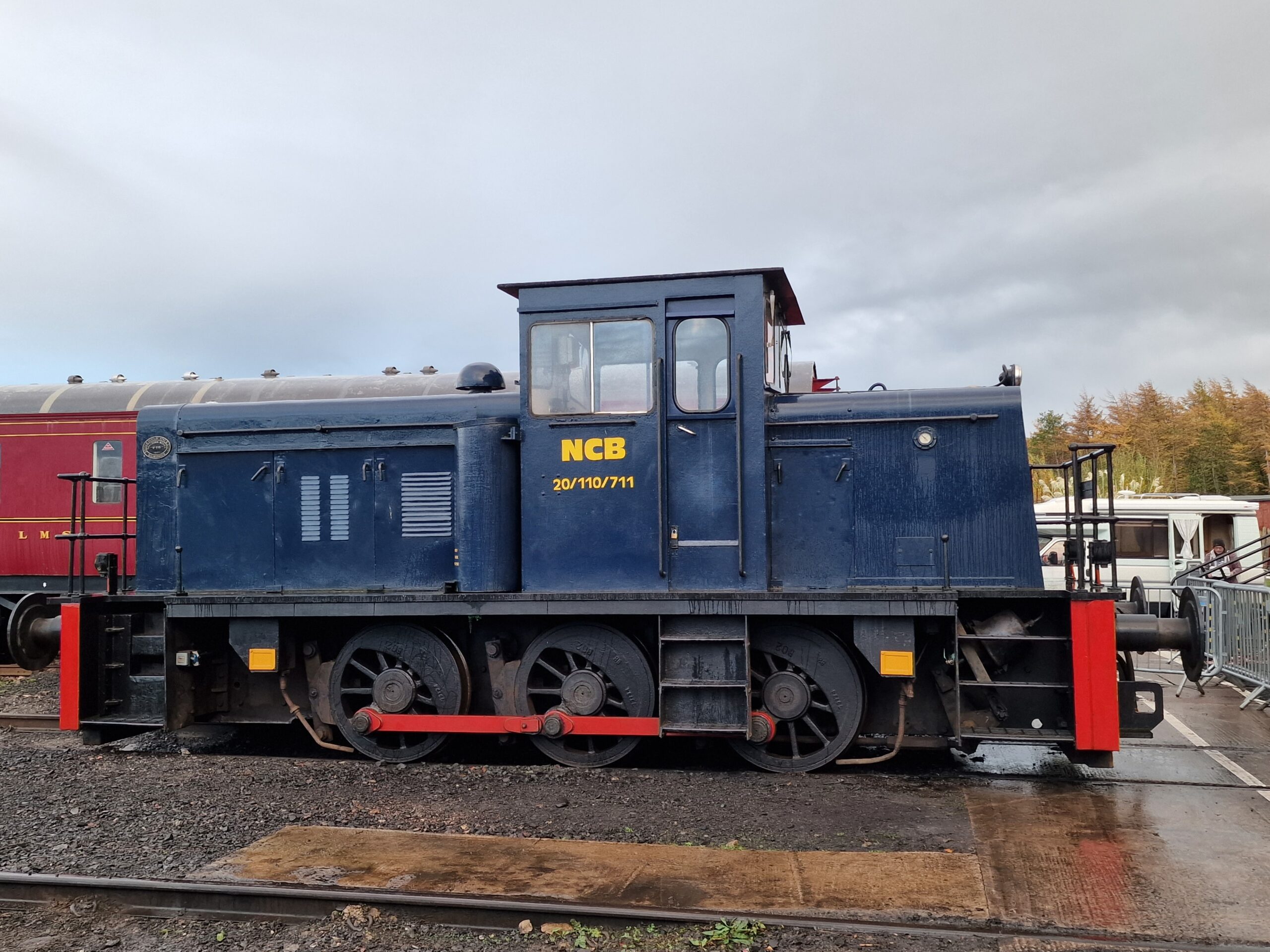
Drewry 0-6-0 Diesel Mechanical No. 8199 ‘Drax’

Drax is a diesel mechanical 0-6-0 locomotive built by the English Electric Company at the Stephenson Works in Darlington as works number 8199 of 1963. It has a 195 bhp Gardner engine. It first worked for the Central Electricity Generating Board at its coal-fired Aberthaw Power Station in the Vale of Glamorgan, South Wales.
Later it was moved to the Barlow Royal Ordnance Depot near Selby which was used for moving ammunition, largely underground. In March 1990 the loco returned to South Wales, this time to the Barry Wagon Works before its return to Yorkshire when it became a static exhibit at Drax Power Station in 2000. It was donated to the railway by Drax Power and arrived at Lionheart on 1st December 2012. Following restoration and the installation of vacuum brakes, it is now equipped to haul passenger trains.
144004
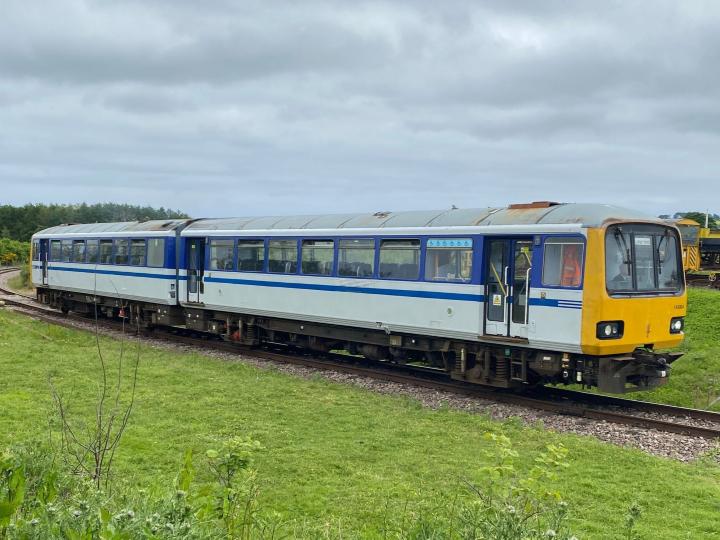
This Class 144 unit is composed of two cars, 55804 & 55827. The bodies were built by Walter Alexander, in Falkirk. These were mounted on underframes built by British Rail Engineering Ltd. in Derby. The unit was delivered to Neville Hill depot, Leeds, in 1986 and was used on local services sponsored by West Yorkshire Passenger Transport Executive (WYPTE). Accordingly, its first livery was the red/buttermilk of WYPTE.
The unit was based at Leeds for its entire working life, serving major towns and cities such as Sheffield, York, Huddersfield, Hull, Doncaster and Scarborough. Outside Yorkshire it ventured to Morecambe in the west and Cleethorpes in the east, as well as Manchester Victoria.
The unit arrived at the Aln Valley Railway (AVR) in December 2020 by road, having been stored at the Keighley & Worth Valley Railway and then at the Wensleydale Railway.
Before it entered service with the AVR Covid-19 plastic screens were fitted and the seat arrangement was modified. 144004 operated its first AVR passenger services in June 2021.
During 2022, the set was repainted into Regional Railways livery.
144016
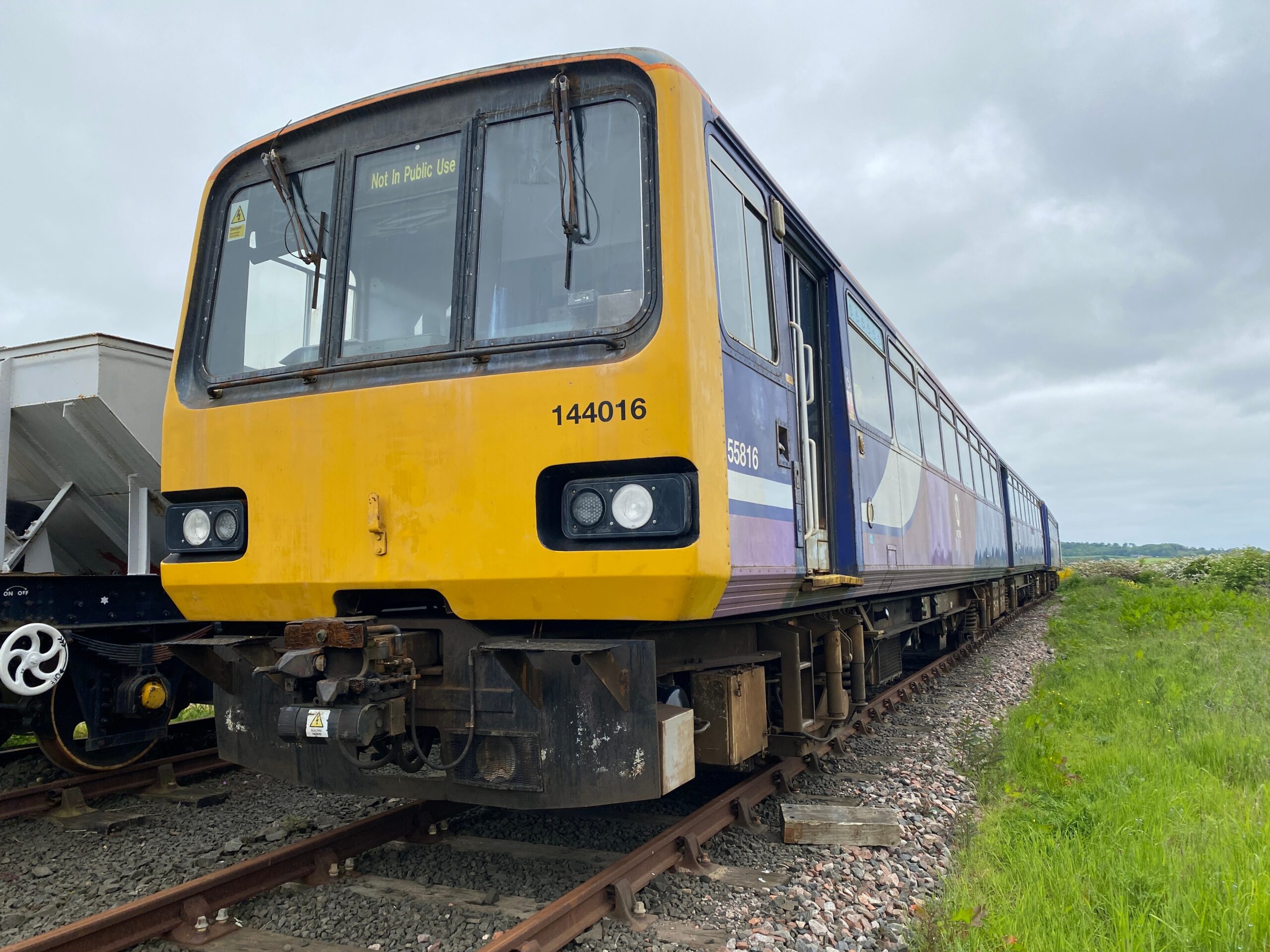
This Class 144 unit is composed of three cars, 55816, 55852 & 55839. The unit was originally delivered as a two-car set in 1986. The centre car, 55852, was added in 1987 to create a three-car unit. Of the 23 Class 144 sets built, only ten were fitted with a centre car. Five of the centre cars have been preserved.
Like 144004, the unit was based at Neville Hill depot, Leeds for its entire working life. As a three-car unit, it worked at least one Middlesbrough – Whitby return service, with its three cars enabling the train to meet the demand for school travel to Whitby from outlying villages in the Esk Valley.
The unit arrived at the Aln Valley Railway (AVR) in December 2020 by road, having been stored at the Keighley & Worth Valley Railway and then at the Wensleydale Railway.
The interior of the centre car is currently (2023) being refurbished, with the interiors of the driving cars to subsequently receive attention. The unit is essentially in working order, though some refurbishment work is required.
25020
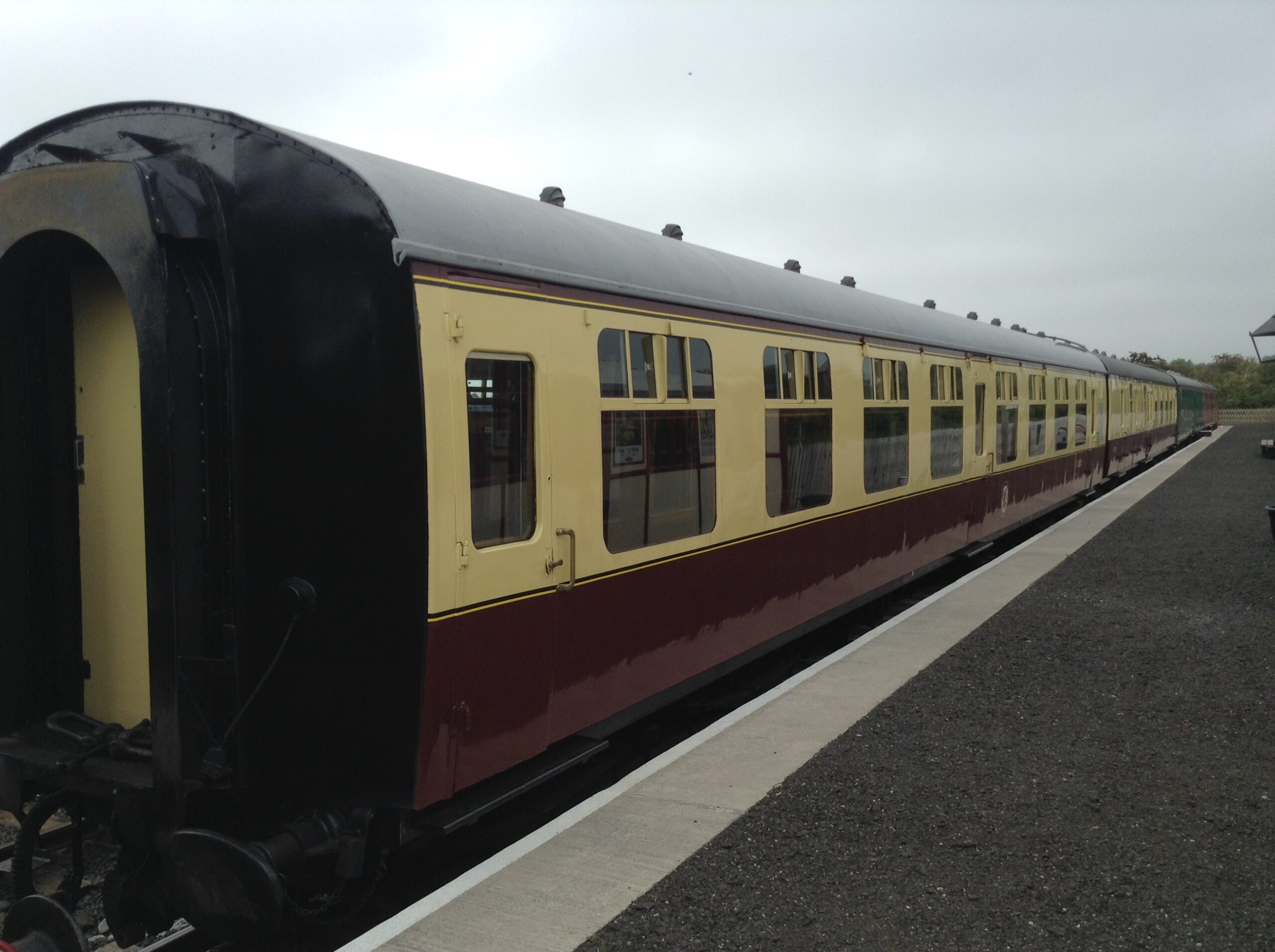
Built at the Derby Carriage and Wagon Works to Diagram 146. It saw service on both East and West coast main lines before entering preservation. The coach was documented as being stored out of use at the Gloucester and Warwickshire Railway in 1983 in chocolate and cream livery. It remained out of use for many years before finally being purchased by a consortium of AVR members in 2012 in very poor condition. It was the first coach to be restored at the AVR and entered service in carmine and cream livery in October 2016.
Together with BSK 35072, it forms part of the operational rake
35072
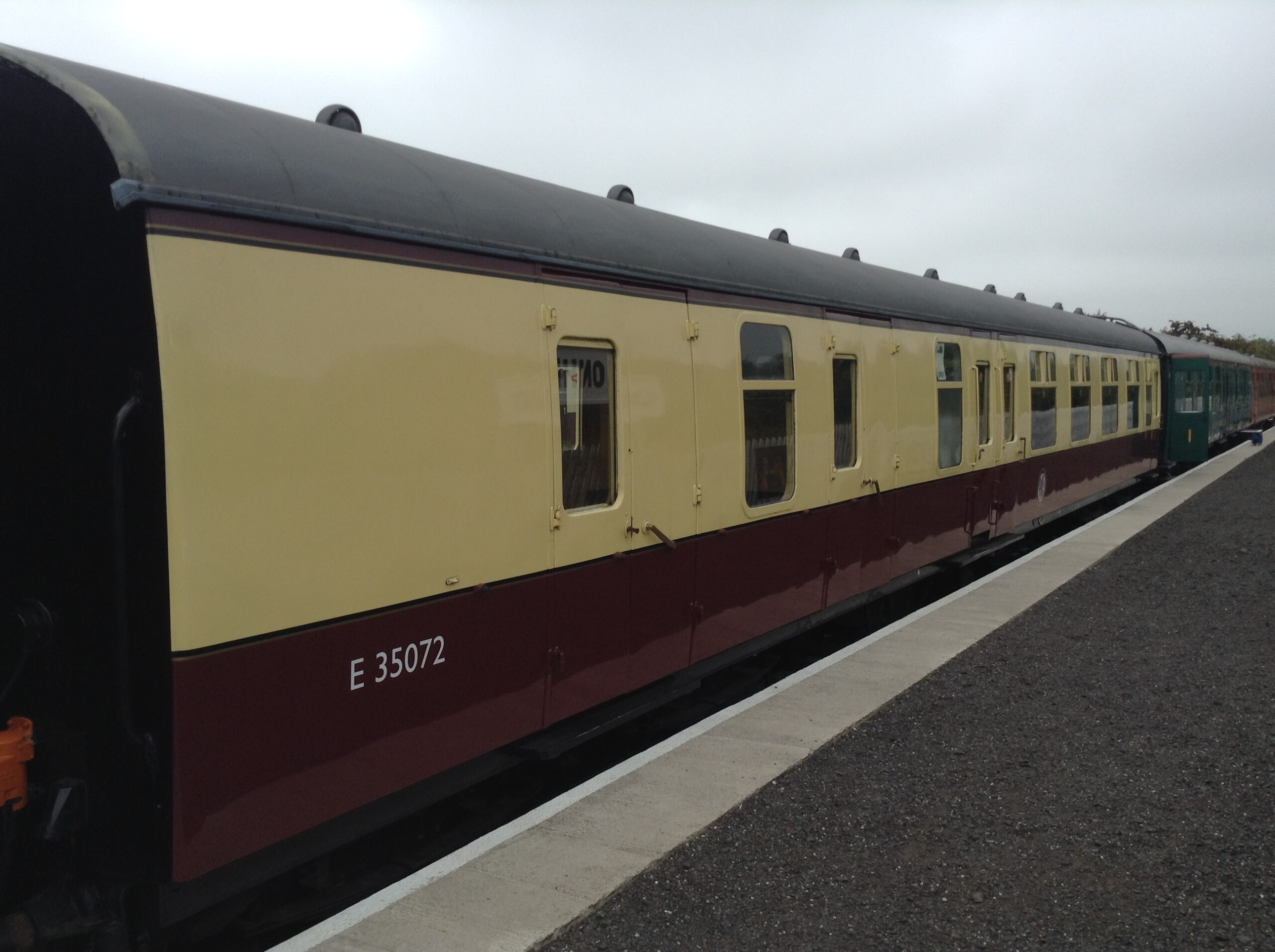
Built at the Gloucester Railway Carriage and Wagon Company (GRC&W) works in Gloucester to Diagram 181. After main line service it operated at the Paignton and Dartmoor railway from 1987 and from 1992 was part of their Riviera Belle rake with fluorescent lighting, PA system and a bar in the goods area. In 2006 it is recorded as being at the Weardale Railway in carmine and cream livery. It was purchased by an AVR member in 2014 from North East Rail Restorations, where it had been partly restored. Restoration was completed at the AVR including a conversion to push pull operation which was used before the run round at Greenrigg was completed.
Together with SK 25020, it forms part of the operational rake.
4755
Built at the Holgate Road carriage works in York to Diagram 93. After main line service it was in operation from Steamtown, Carnforth on main line charters until 1990, then became a dining annex to the Bogie Chain pub in Wallsend. When the pub closed, the coach was unused while the pub building became a builders office.
The coach was donated to the AVR in 2019 when the site was cleared for development. It is largely complete including the internal seating, but has a 12 foot hole cut in one side where it joined the pub. It currently awaits its turn for restoration.
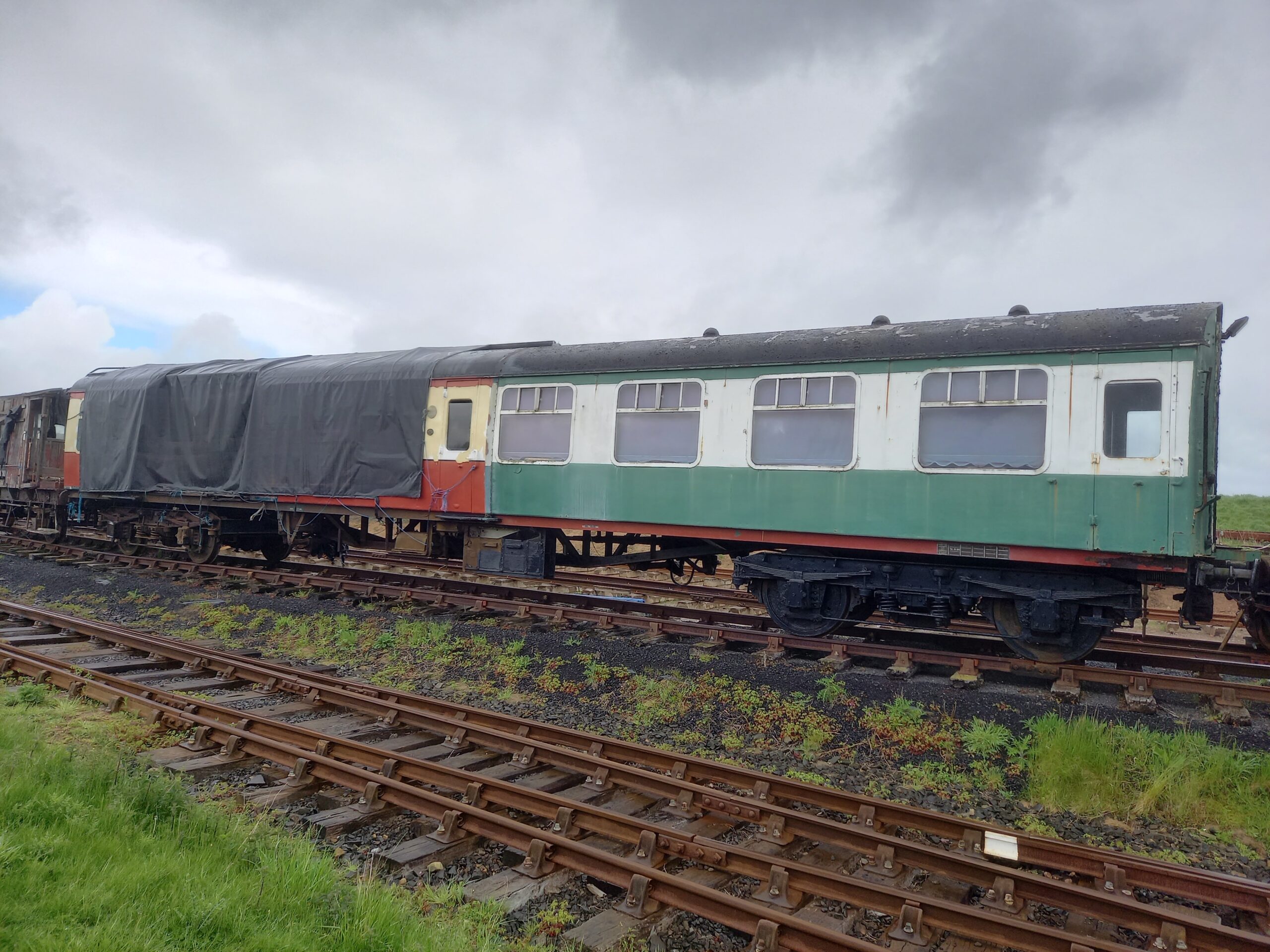
24576
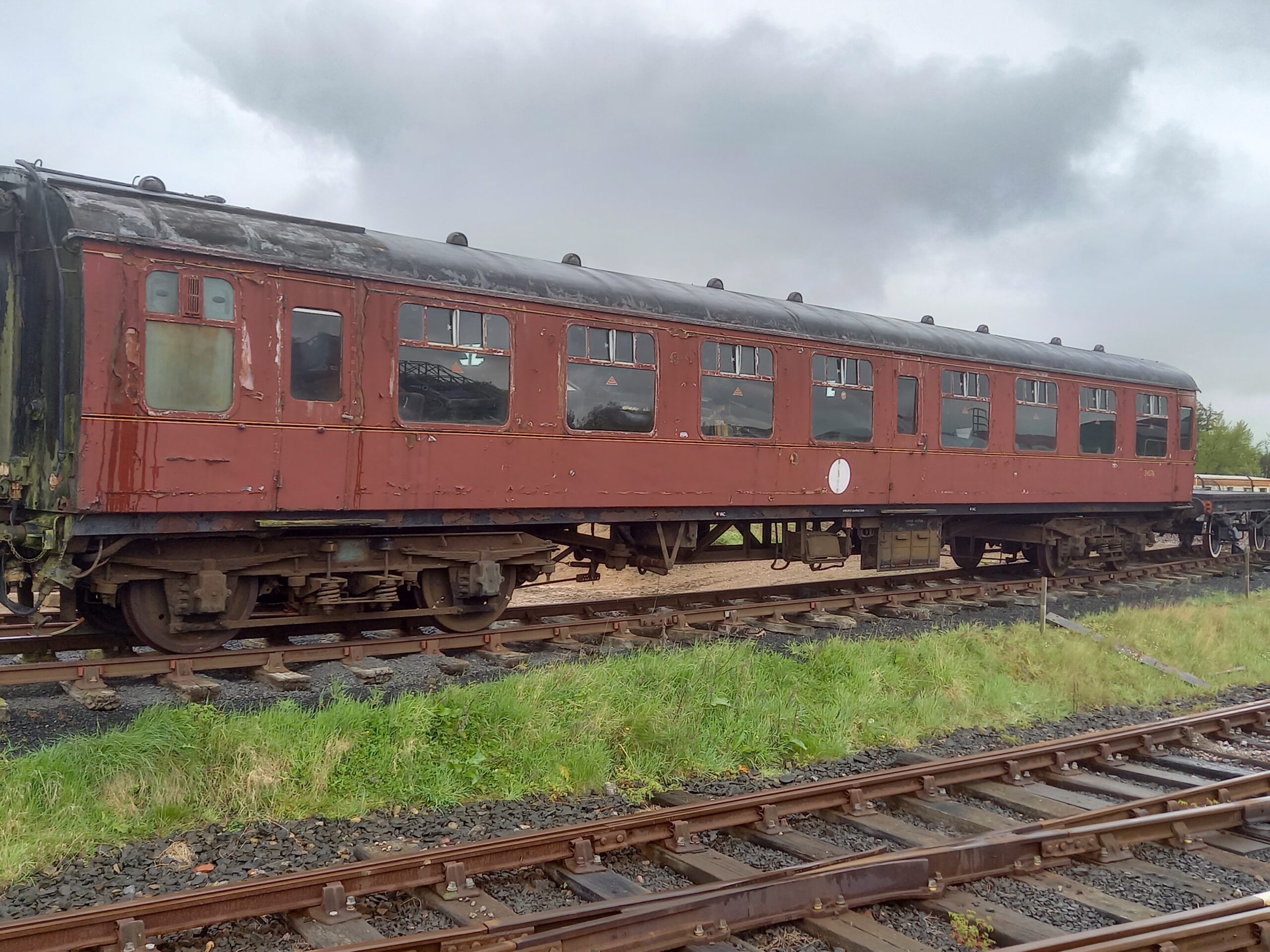
Built at the Birmingham Railway Carriage and Wagon Company (BRC&W) to diagram 146. After operation on the BR Midland mainline, it is recorded as being at the Northampton and Lamport Railway in 1990 before moving to the Telford Steam Railway in 2001, where it saw operational use for around 10 years before being bought for the AVR by a member in 2016. It is complete but in poor condition in BR crimson livery.
It is believed to be one of the earliest Mark 1 coaches still in existence and includes some features that were changed in later models, including butt hinges. It currently awaits its turn for restoration.
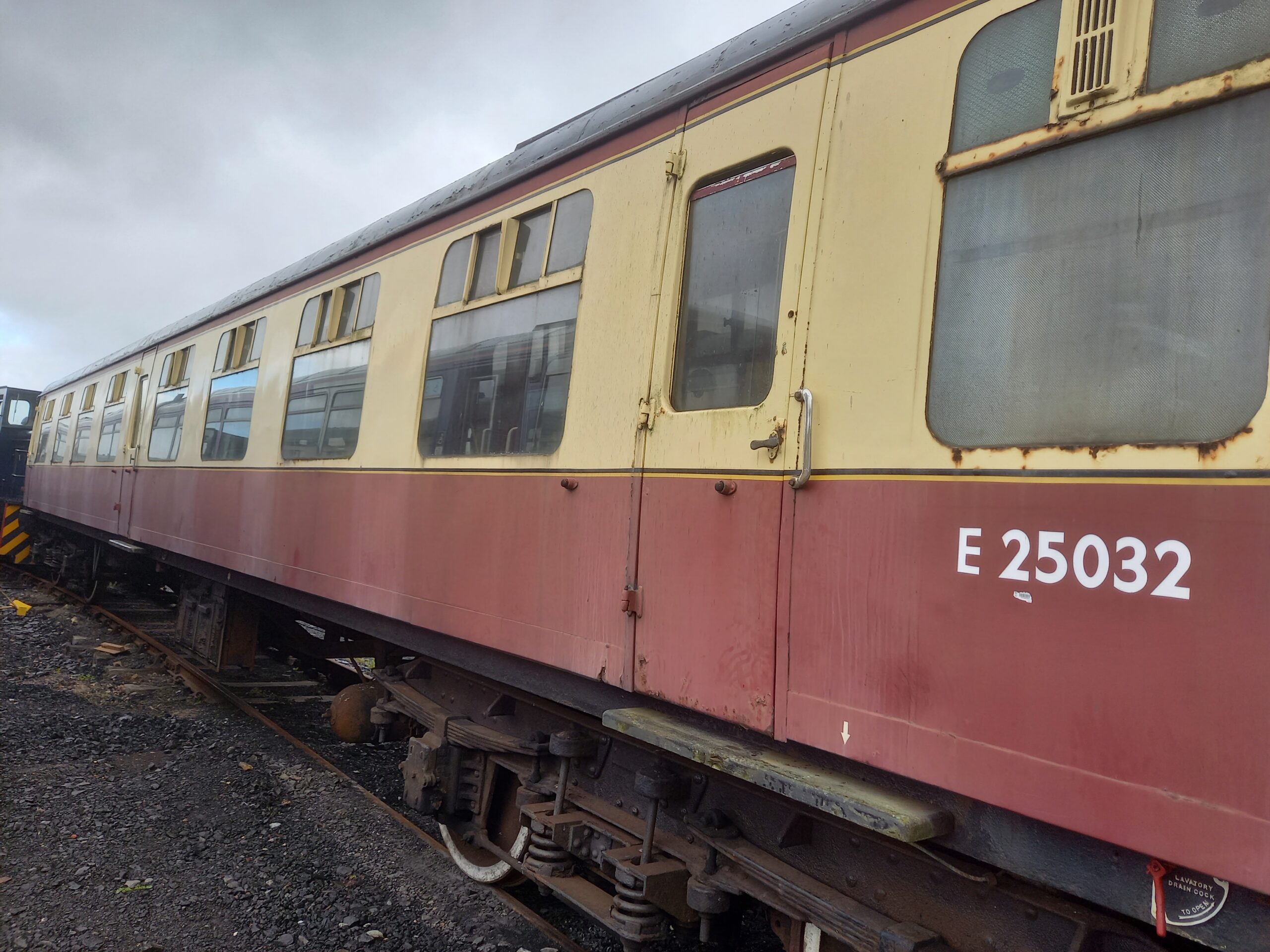
25032
Built at the Derby Carriage and Wagon Works to Diagram 146. After mainline use, the coach was bought by the Fowler 3F Society at Mid Hants, then subsequently the South Devon and Weardale Railways, before being purchased by AVR members in 2018. It is in crimson lake and cream livery and awaits restoration to operational service.
35362
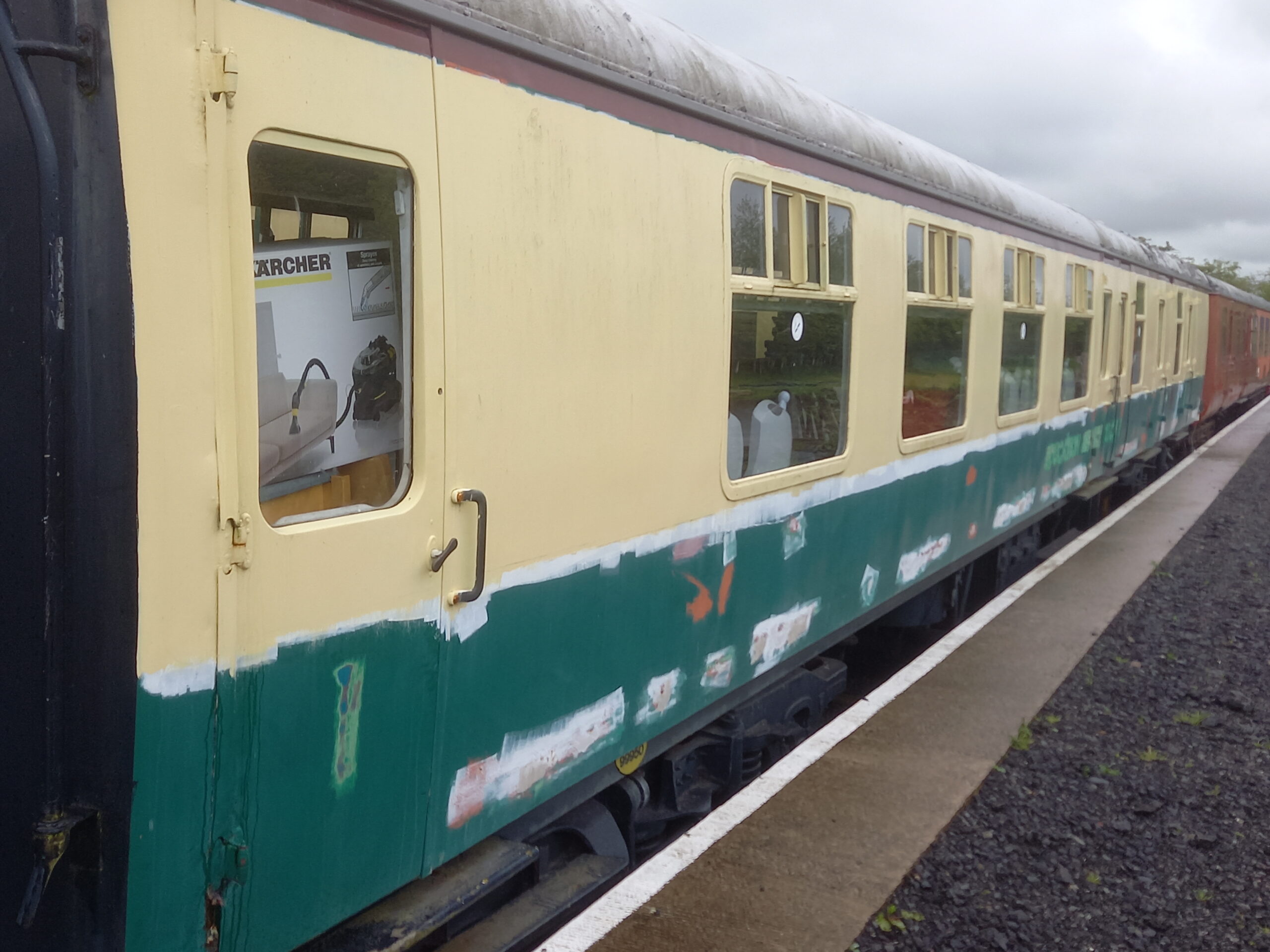
Built at Wolverton carriage works to Diagram 181. After operational main line use, the coach was purchased by the Friends of the National Railway Museum and modified for use as a support coach. It later had the interior stripped out and was used as an education coach for school visits.
It was purchased by a member in 2016. While awaiting its restoration as a brake coach, it is regularly used for special events.
25631
Built at Wolverton carriage works to Diagram 146. After use mainly on the west Coast main line, the coach was purchased by the Gloucester and Warwickshire Railway in 1989, then subsequently saw service at Stratford and Broadway Railway, before moving to Mid Norfolk Railway in 2011.
It was purchased by members in 2021 and is currently undergoing restoration. It is expected to be brought into operational service in 2026.
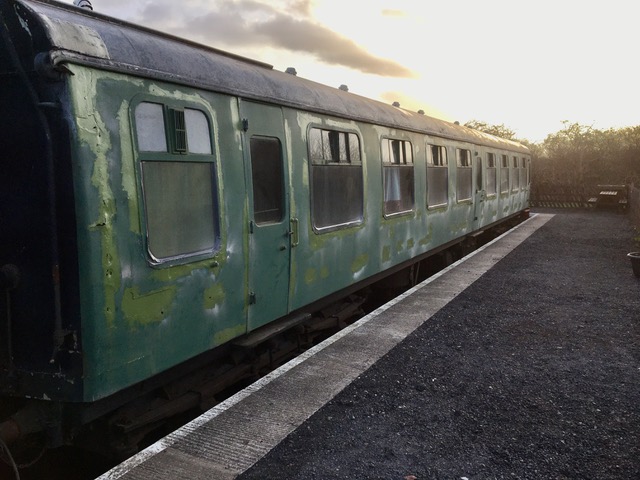
5210
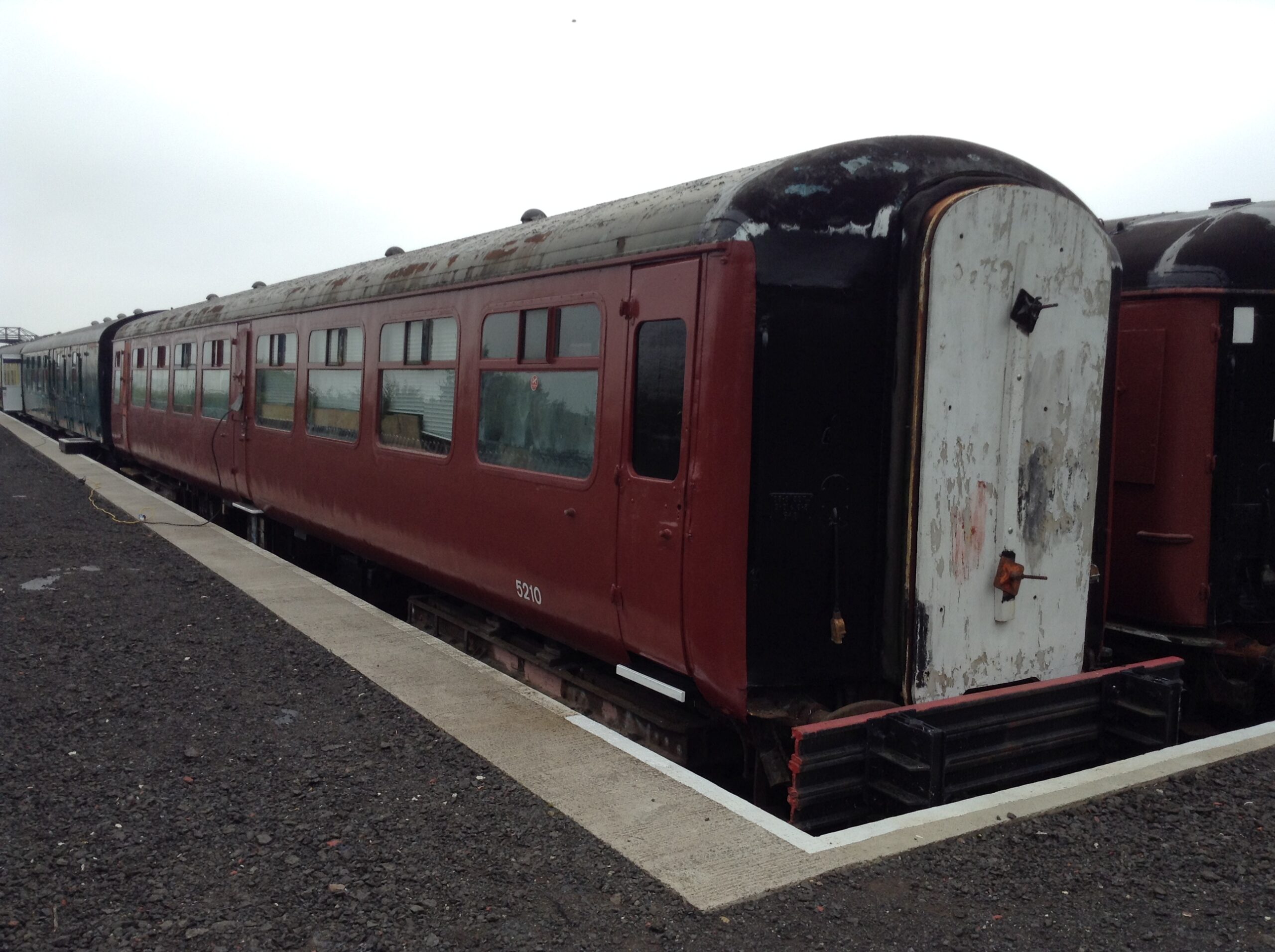
Built at the Derby Carriage and Wagon Works to Diagram 88. One of the first coaches to be acquired by the AVR, it was purchased direct from main line operation in 1997 and stored at the Stephenson Railway Museum in North Tyneside. Whilst there it was extensively vandalised and continued water ingress caused further damage. Moved to Longhoughton goods yard in 2007, then to Lionheart site in 2014.
The extent of structural decay is such that it can’t be economically restored, but currently serves as a woodworking shop and carriage and wagon store.
14122
Built at the Derby Carriage and Wagon Works to Diagram 165. Purchased from main line service by Rail UK, then subsequently bought along with 5210 by the AVR and stored at the Stephenson Railway Museum, where it was extensively vandalised.
The extent of structural decay makes it beyond economic repair, but it currently serves as a Bring and Buy Shop and store.
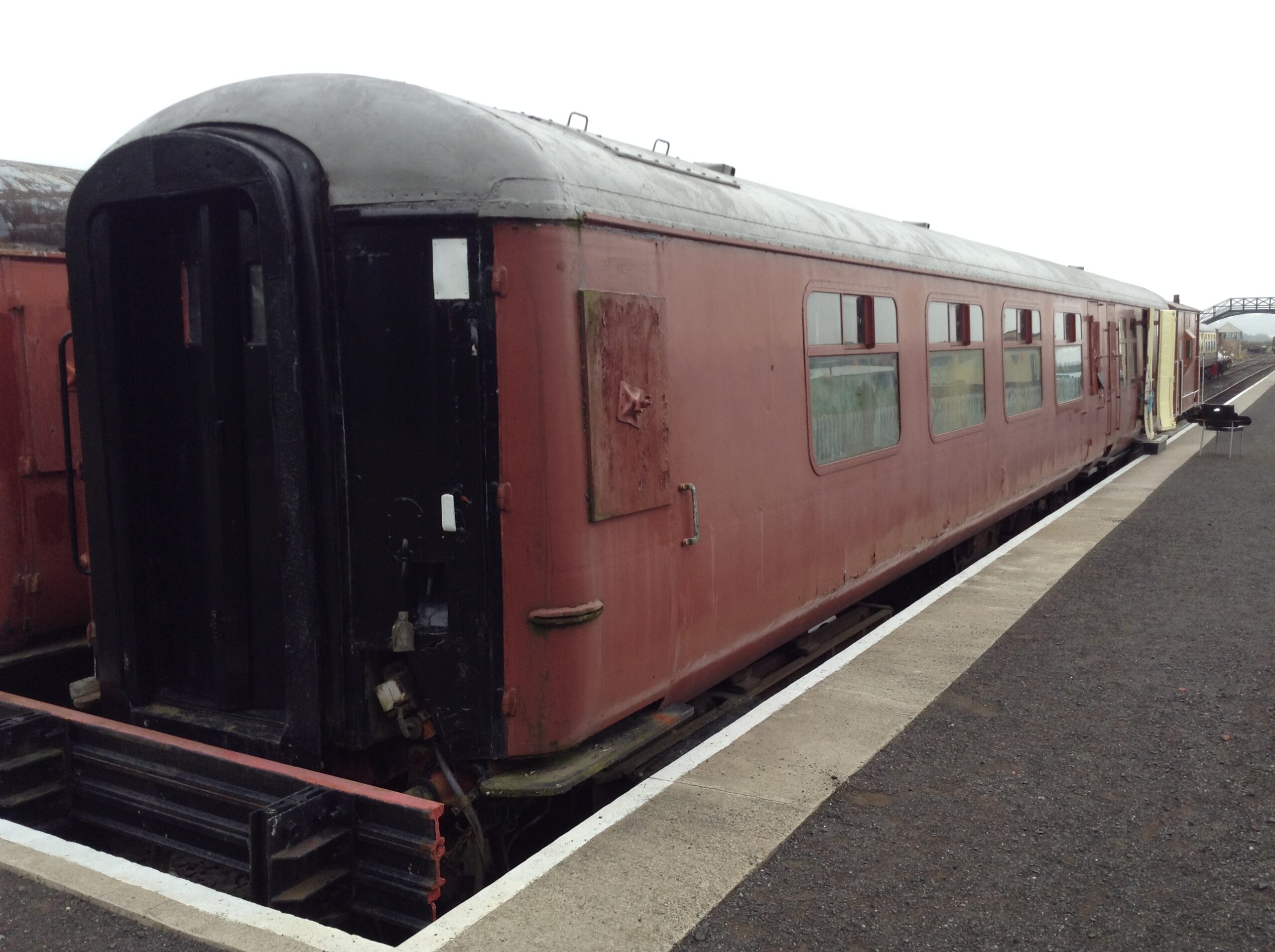
94606
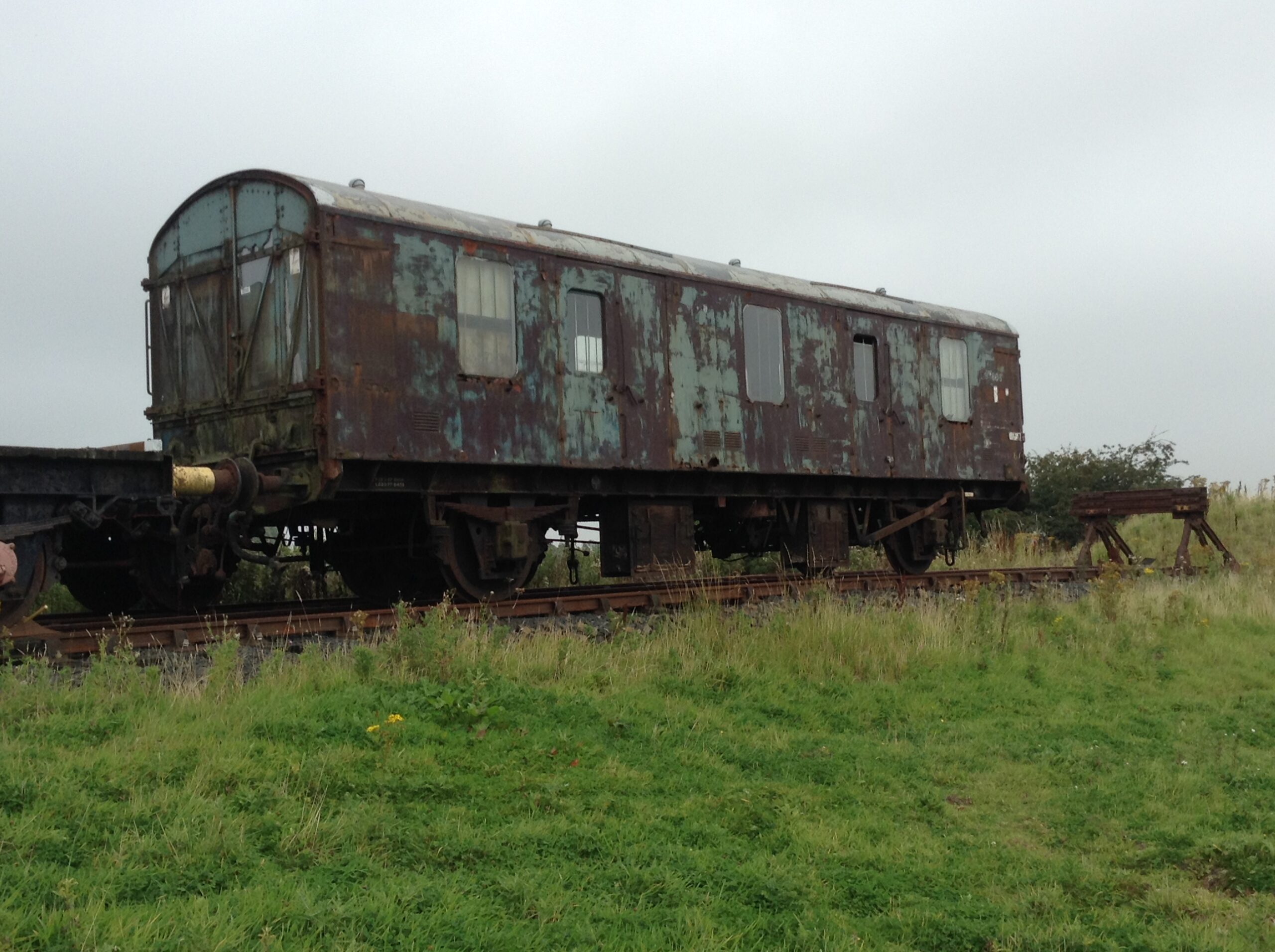
Built at Earlestown Wagon Works near Warrington to Diagram 816. Designed to move horse carriages, then subsequently cars, the CCT has doors at either end that can open allowing the loading of vehicles, which could then drive through between trucks for ease of loading.
This example is privately owned and was brought to the AVR in 2016, where it awaits restoration. Meanwhile it is used for storage and mobile workshop space.
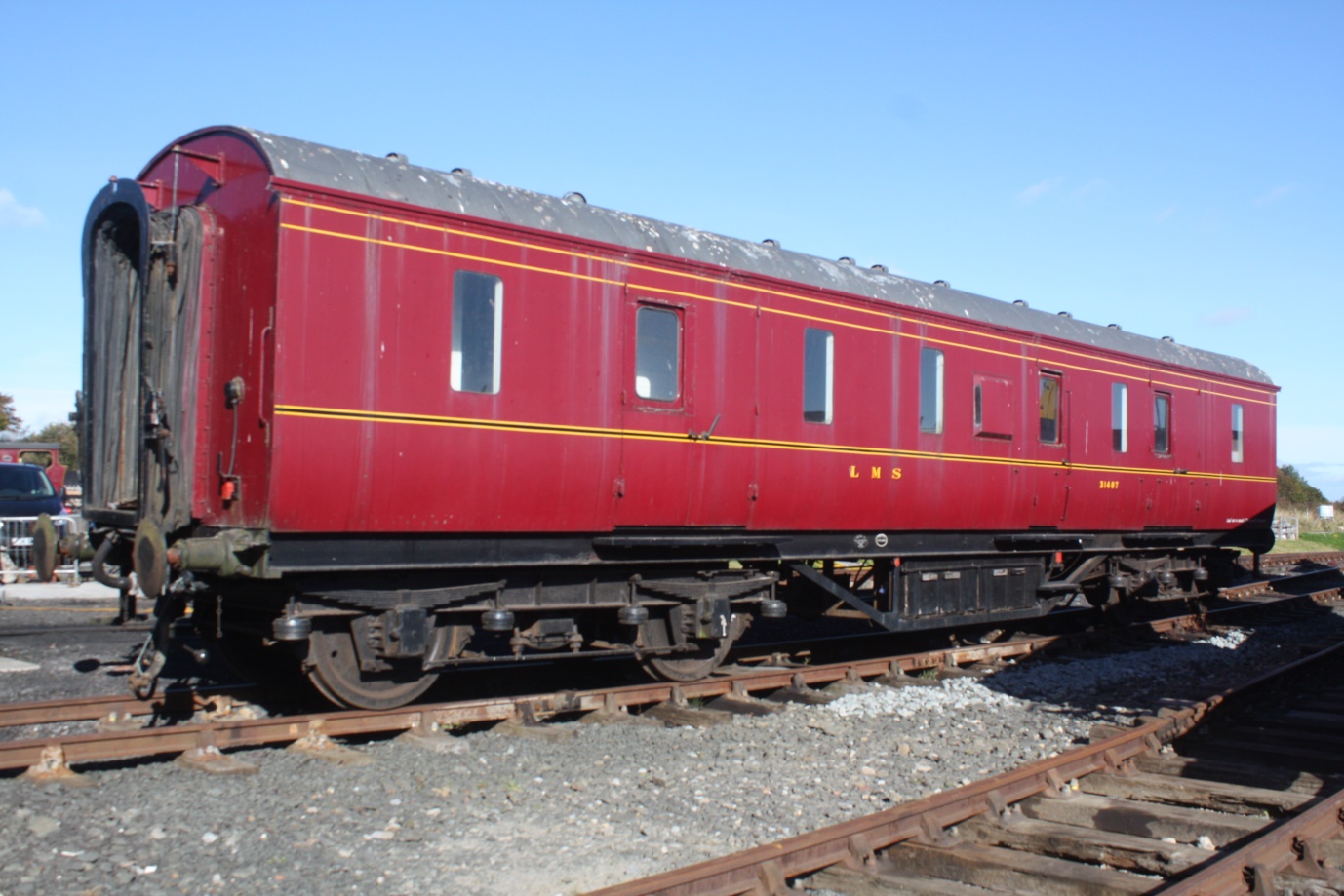
31407
Built by BR at the Wolverton carriage works to an LMS design, Diagram no 2171. Used primarily as a parcel van, it later saw departmental use on BR delivering stationery from Crewe. Purchased in 1987 by Steamtown, Carnforth, it was later at Crewe Heritage Centre, Chippenham and West Somerset Railway, before being restored by North East Rail Restorations for use as a support coach with the new build G5 locomotive project.
Changes in the requirements for using wooden framed coaches on the main line led to it being used at Weardale Railway before being bought by the AVR for conversion to a café/waiting room.
NER 41
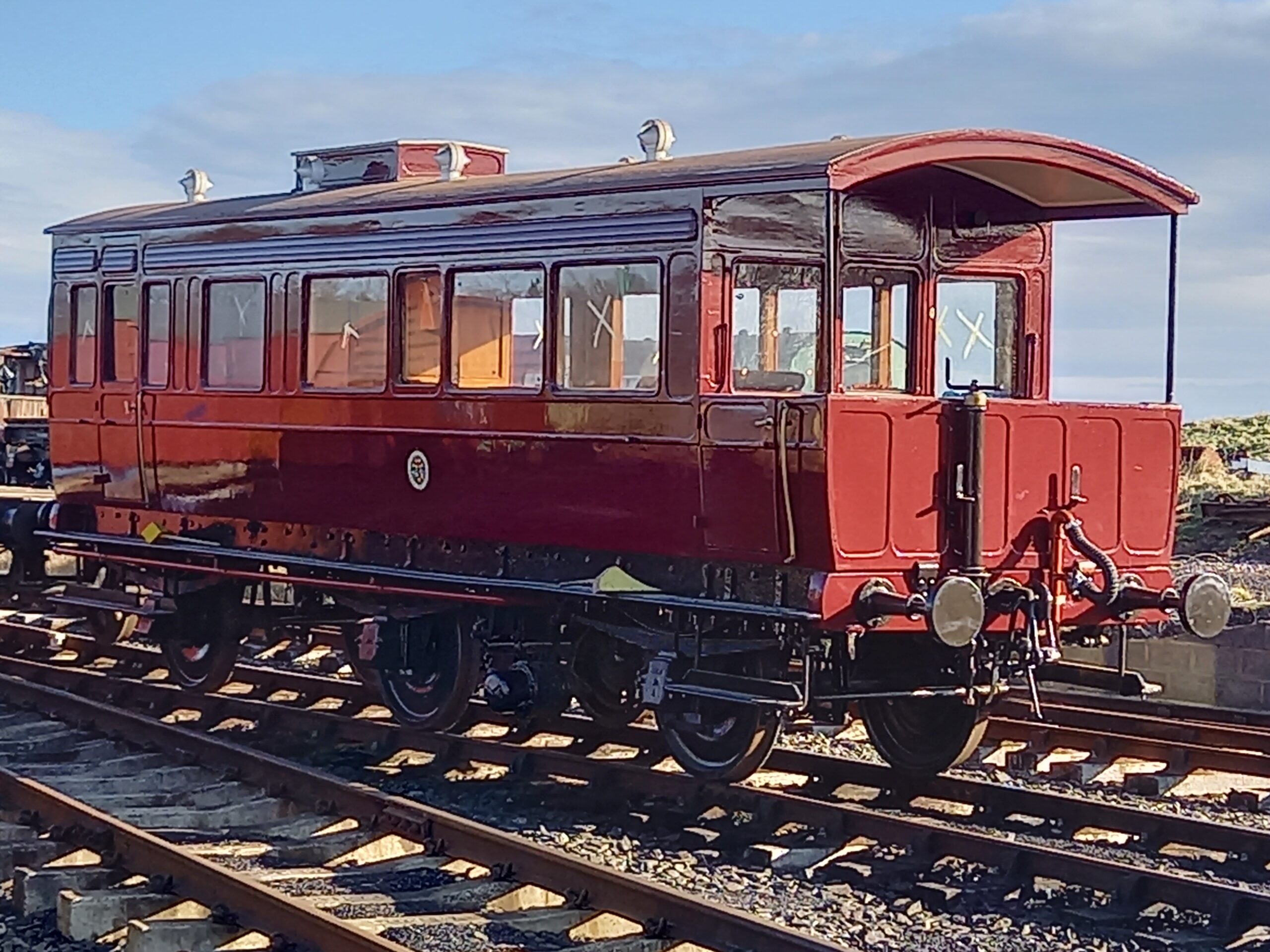
Built for the North Eastern Railway at the Holgate Road carriage works in York to Diagram B, it is believed to have been one of three such vehicles. It is complete with a fully equipped kitchen and toilet and would have been reserved for exclusive use by the directors and officers of the railway. Originally lit by oil lamps, there is evidence of gas lighting and electric lighting probably installed sometime after 1911. It is complete with original wooden underframe, furniture and internal fittings. The vehicle survived into departmental use as a dynamometer car, engineers saloon and tunnel inspection vehicle. It was last overhauled at York in 1965.
Bought privately in the 1970s, the coach was loaned to a number of heritage railways, including Keighley and Worth Valley, Bolton and Embsay, Peak Rail and Tanfield before moving in a very poor state to the AVR in 2012. After a six year restoration, with some of the specialist wood work undertaken in collaboration with the Blyth Tall Ship project, it re-entered service in 2022.
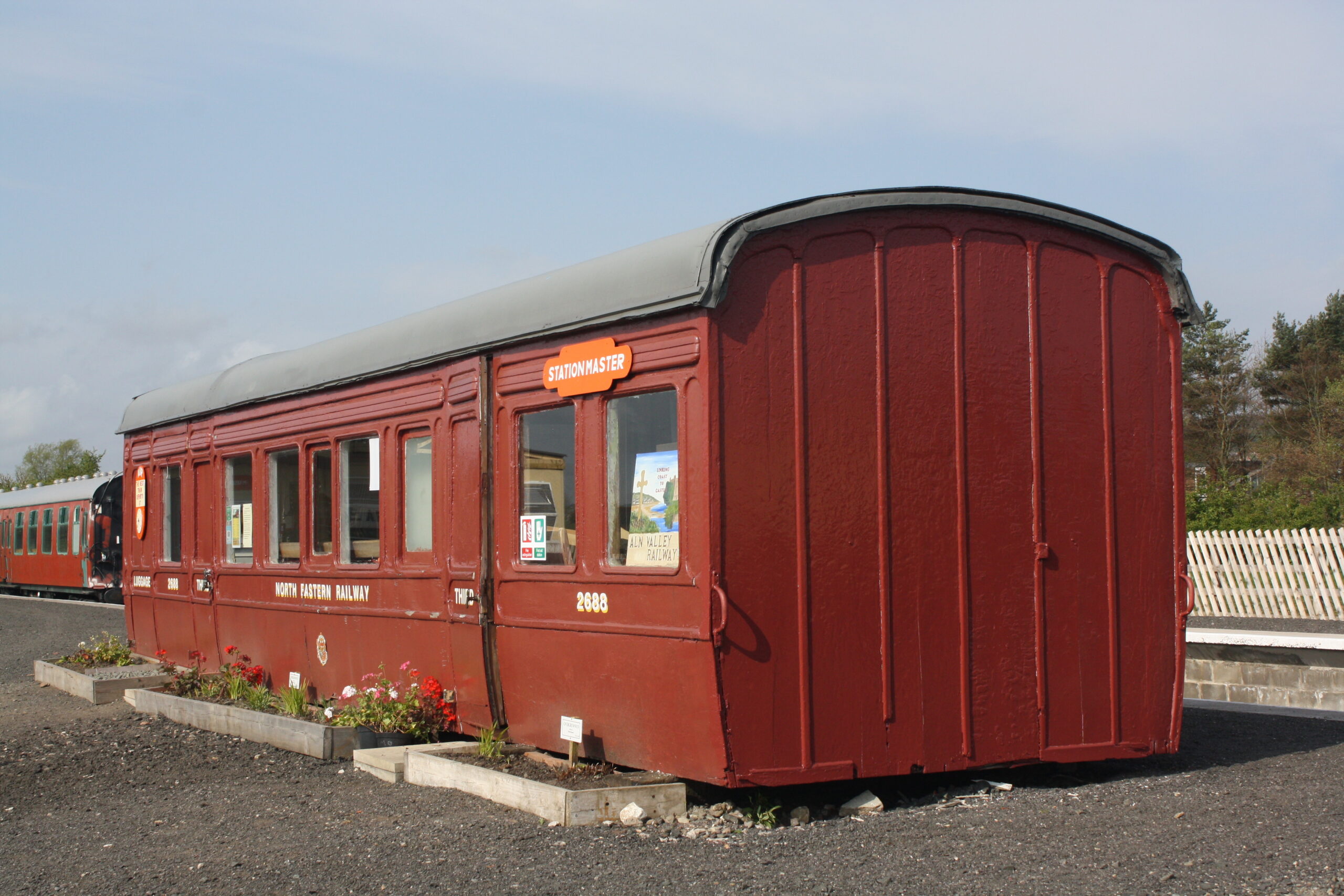
NER 2688
Built for the North Eastern Railway at the Holgate Road carriage works in York to Diagram 28. Consists of a single compartment, an open saloon, toilet and luggage area. Withdrawn from the LNER in 1938, the coach body was removed to form holiday accommodation. The body was moved to the Beamish Museum in 1990 and featured in the colliery area and as storage.
It was acquired by the AVR when Beamish decided they had no further use for it and cosmetically restored to provide a waiting room and Stationmaster’s office. A suitable underframe has now been acquired and the coach will hopefully be restored to partner the NER Directors coach at some point.